It rarely starts with a diagnosis. It starts with a missed appointment, a wrong turn on a familiar road, or a mother who still remembers every recipe but keeps asking for her daughter by name, while her daughter stands in front of her.
This is how many Indian families meet dementia. And in most of those families, one person quietly becomes the carer.
The numbers
- More than 88 lakh Indians are living with dementia today.
- That number is expected to cross 1.7 crore by 2050.
- The main carer is most often a daughter or daughter-in-law, frequently working, raising children, or managing a parent from another city.
Writing in the Free Press Journal in September 2026, Prashanth Reddy, founder of the home care company Anvayaa, described the gaps families face: too few trained dementia carers, almost no respite care to give families a break, and a cultural reluctance to ask for help.
Help is coming: 1.5 lakh trained caregivers
In the Union Budget 2026–27, the government proposed training 1.5 lakh caregivers within one year, through courses aligned with the National Skills Qualifications Framework (NSQF). The aim is to build India’s elder care workforce. Details on how families will reach these carers are still awaited.
If you are caring for a parent with memory loss
- See a neurologist early. Months are often lost before families seek a proper assessment.
- Talk as a family now, before a crisis. Who will do what? Who handles money and medical decisions?
- Take breaks. Ask relatives, or use day care or respite services, so one person does not burn out.
- Keep the same routine and the same people where possible. Familiar faces and habits reduce confusion.
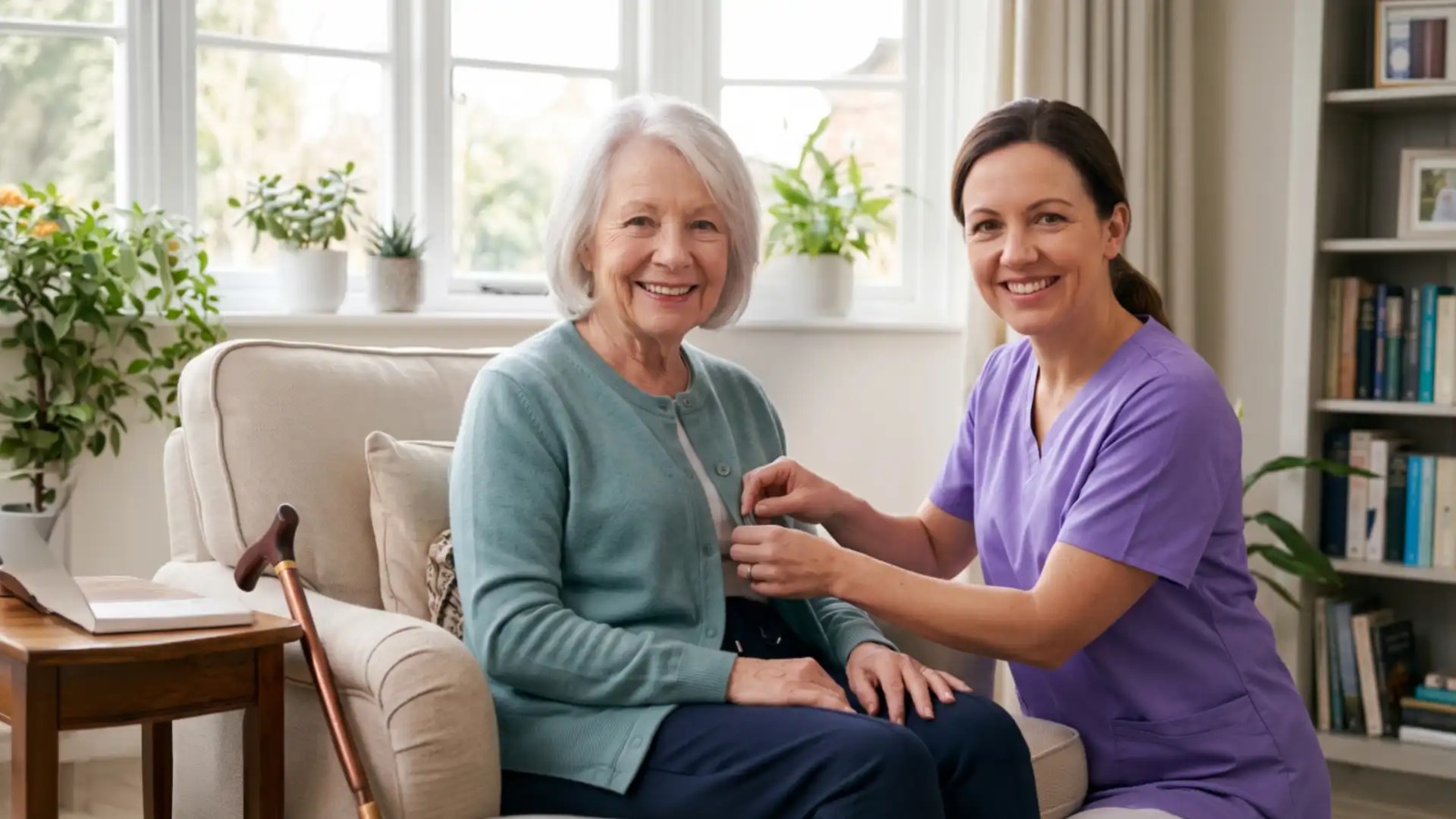
- Make dressing and daily care easier with adaptive clothing, grab bars and simple labels around the home.
- Talk to your employer. Ask about flexible hours or leave for caregiving.
Sources: Free Press Journal, 10 September 2026 (opinion by Prashanth Reddy, Anvayaa); Vision IAS on Union Budget 2026–27, 5 February 2026. This article is for information only and is not medical advice.