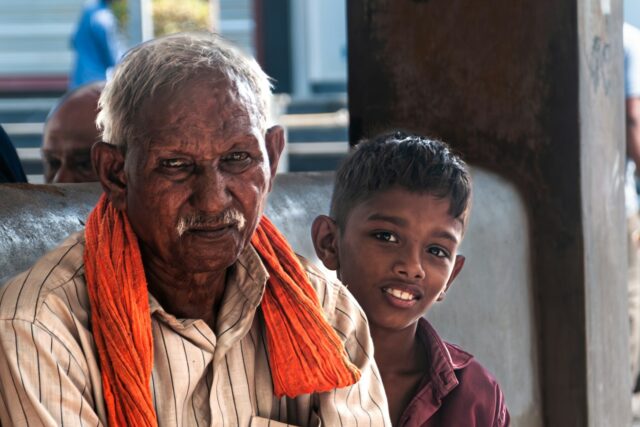
The Kerala (Keralam) Assembly has unanimously passed the Kerala Senior Citizens’ (Care and Protection of Rights) Bill, 2026. It was passed on 26 October 2026. Chief Minister V D Satheesan told the Assembly it is the first law in the world to guarantee rights to senior citizens. The Bill still needs the Governor’s assent before it becomes law.
The rights it lists
- Dignity, safety and freedom from discrimination.
- Priority places for older women in government-supported care homes and day care centres.
- Affordable home care.
- Barrier-free public buildings and spaces.
- Digital inclusion and safety, with non-digital options for those who do not use phones or computers.
- Free legal aid.
- Mobility aids, hearing aids and continence products at reasonable prices.
Protection from abuse
- Doctors and care centres must report suspected abuse, neglect or exploitation within 48 hours.
- Elder abuse, abandonment or property-related offences can lead to up to 3 years in jail and/or a fine of up to ₹50,000.
- Cruelty is defined widely. It includes forcing an older person out of their home, putting their health at risk, or pressuring them over property.
- Running an unregistered care home can lead to up to 1 year in jail or a ₹25,000 fine.
- Senior citizen cyber cells will be set up in all cyber police stations, with fast-track timelines for cases involving older people.
Care homes and caregivers
- Minimum standards for care homes, day care centres and home care agencies.
- A common geriatric care course for caregiver training centres, a state register of caregivers, police background checks and minimum wage rights.
- If a care home resident wants to donate property or money, officials must be told. An inquiry is held and the agreement is made before the District Magistrate.
Who will enforce it
A State Senior Citizen Protection Unit, District Protection Units and District Level Protection Forums will monitor care homes and look into complaints. A State Reserve Fund for senior welfare will be funded by grants, local bodies, fees, fines and donations. The government may also offer long-term care insurance.
Health and the silver economy
The Bill expands geriatric care from primary health centres to big hospitals, and adds mobile medical units and dementia centres. It also promotes a “care economy” and a “silver economy”, with chances for older people to keep working and earning.
Questions that remain
- Members moved nearly 1,300 amendments during the debate.
- Some members said parts of the Bill do not match the central law of 2007.
- Members asked about safeguards for living wills. The CM said the Supreme Court’s safeguards will be set out in the Rules.
- A toll-free helpline was proposed. The government said it would consider it when it frames the Rules.
Have a story to share? Tell us about an older Indian, a family or an organisation making ageing better: share your story or email info@healthyageing.world. Organisations working with older adults can partner with us.
Sources: Onmanorama; Outlook Money; The News Minute. Image: representative image, Unsplash.